Breathing is something we do every second of every day without much thought. Yet, how we breathe—through the nose or the mouth—can have a profound impact on our health. Many people don’t realize that chronic mouth breathing can lead to a wide range of problems, from poor sleep and fatigue to dental issues and even facial development concerns in children.
In recent years, “mouth taping” has gained popularity as a quick hack to train yourself to breathe through your nose, especially while sleeping. But is this safe? And why is mouth breathing considered harmful in the first place? Let’s dive deep into the science, risks, myths, and solutions.
Why Nose Breathing is Nature’s Design
The human body is engineered for nasal breathing. Your nose isn’t just a tube for air; it’s a highly specialized filter and conditioner.
-
Air Filtration: Nose hairs and mucous membranes trap dust, allergens, and pollutants.
-
Moisturization & Warming: The nasal passages humidify and warm incoming air, preventing dryness in the lungs.
-
Nitric Oxide Production: The sinuses release nitric oxide (NO), a powerful molecule that improves oxygen absorption, blood vessel health, and immune defense.
-
Sleep Quality: Nasal breathing supports proper tongue posture, which keeps the airway open and reduces snoring or sleep apnea.
Simply put: The nose is the front door; the mouth is the emergency exit.
What Happens When You Breathe Through the Mouth?
Chronic mouth breathing bypasses the natural filtration and conditioning system of the nose. Over time, it can cause:
1. Oral Health Problems
-
Dry mouth (reduces saliva flow, which protects teeth)
-
Increased risk of cavities and gum disease
-
Bad breath
2. Sleep Disorders
-
Snoring
-
Obstructive Sleep Apnea (OSA)
-
Poor oxygen exchange, leading to restless sleep and daytime fatigue
3. Facial and Developmental Issues (in children)
-
Narrow jaw
-
Long face appearance
-
Dental malocclusion (crooked teeth)
4. Respiratory & General Health
-
More frequent throat infections
-
Lower oxygen efficiency
-
Higher risk of asthma aggravation
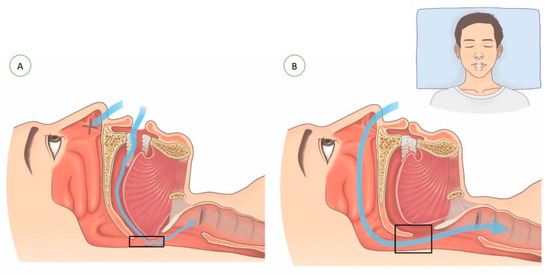
Why is Mouth Breathing Bad for Sleep?
During sleep, your muscles relax—including those of the tongue and throat. If you breathe through the mouth:
-
The tongue falls backward, narrowing the airway.
-
This increases the chances of snoring and sleep apnea.
-
Oxygen levels may drop, disrupting deep, restorative sleep.
Long term, poor sleep is linked to heart disease, obesity, diabetes, and mental health issues.
The Rise of Mouth Taping
Mouth taping involves placing a piece of breathable tape across your lips before sleep, forcing nasal breathing. Influencers, wellness coaches, and even some medical practitioners have popularized this as a “biohack” for better sleep.
Claimed Benefits of Mouth Taping:
-
Reduced snoring
-
Improved sleep quality
-
Better morning energy
-
Less dry mouth at night
-
Improved dental health
Is Mouth Taping Safe?
This is where things get tricky. While some small studies and anecdotal evidence suggest mouth taping can improve snoring and mild sleep apnea, it’s not safe for everyone.
Risks:
-
People with severe sleep apnea may experience dangerous oxygen drops.
-
Those with nasal congestion (allergies, deviated septum, cold) may feel suffocated.
-
Skin irritation from adhesive tape.
-
Panic or anxiety in individuals not used to restricted breathing.
Important: Mouth taping should never be tried without consulting a doctor, especially if you suspect sleep apnea or have chronic nasal issues.
Safer Alternatives to Mouth Taping
Instead of jumping straight to taping your mouth shut, consider:
-
Addressing Nasal Blockage
-
Saline sprays, antihistamines, or surgery for deviated septum.
-
-
Practicing Breathing Exercises
-
Buteyko breathing or pranayama yoga practices encourage nasal breathing.
-
-
Changing Sleep Position
-
Sleeping on your side instead of your back reduces airway collapse.
-
-
Lifestyle Adjustments
-
Reduce alcohol and smoking.
-
Maintain healthy weight (extra neck fat can narrow the airway).
-
What Experts Say
-
Dentists: Warn against chronic mouth breathing due to its effect on oral health and jaw development.
-
Sleep Doctors: Recommend a sleep study before trying mouth taping if snoring or apnea is suspected.
-
ENT Specialists: Stress that nasal obstruction should be treated first.
FAQs
Q1. Why is mouth breathing bad for kids?
Mouth breathing in children can alter facial growth, cause dental crowding, and even impact speech. Early correction is crucial.
Q2. Can mouth taping cure sleep apnea?
No. At best, it may reduce mild snoring. Sleep apnea needs proper diagnosis and treatment such as CPAP, oral appliances, or surgery.
Q3. What type of tape is safe for mouth taping?
Special hypoallergenic “mouth tapes” are available. Never use strong adhesives like duct tape.
Q4. How do I know if I’m a mouth breather?
Signs include waking up with a dry mouth, frequent sore throats, bad breath, snoring, and daytime fatigue.
Q5. Is nasal breathing always possible?
No. People with chronic nasal obstruction (allergies, deviated septum, polyps) may find it difficult and should see an ENT.
Q6. Can breathing exercises really fix mouth breathing?
Yes, in many cases. Consistent practice of nasal breathing exercises can retrain the body.
Q7. Who should avoid mouth taping?
-
People with moderate to severe sleep apnea
-
Those with nasal congestion or obstruction
-
Children
-
Anyone with anxiety or breathing-related health conditions
Q8. What’s the safest way to transition from mouth to nose breathing?
Start with daytime exercises, address nasal health, then try short periods of mouth taping only under guidance.